




So Why Are People Seeing Their Pigment Return?
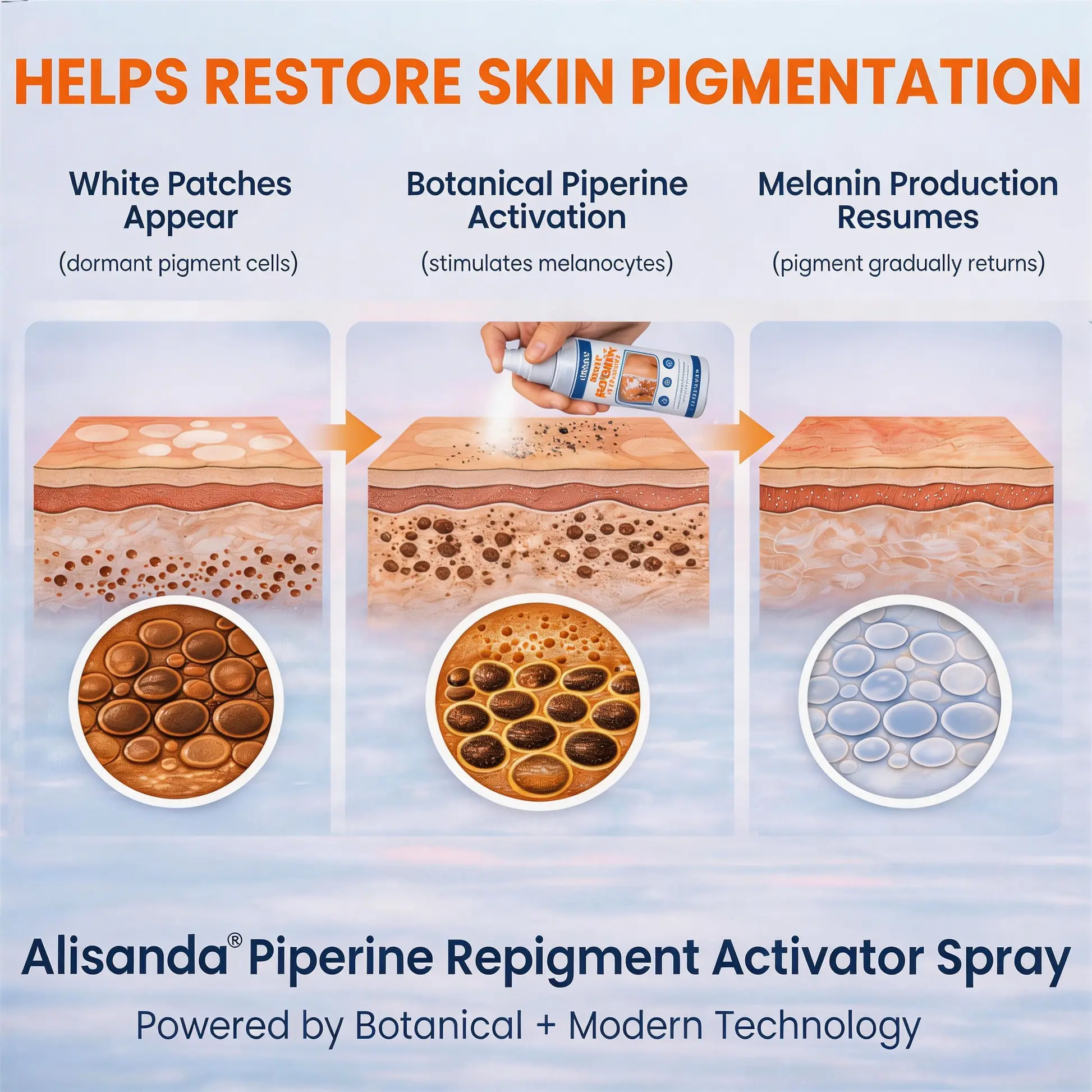
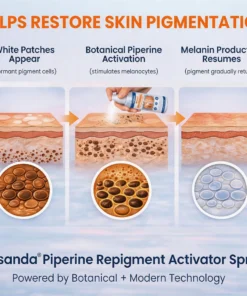
For a long time, it was believed that vitiligo was caused by the permanent destruction of pigment cells. However, new research has found that in many cases, the cells do not disappear but instead enter a “dormant” state.
Under the influence of factors such as oxidative stress and immune imbalance, melanocytes cease to function. Traditional treatments mostly focus on controlling symptoms, but when appropriate biological signals are given, these dormant cells may be reactivated, gradually restoring pigmentation.

Ancient Healers May Have Already Found The Key
For centuries, healers in ancient cultures searched for ways to restore skin pigment. Historical records from regions like the Nile Valley and traditional Ayurvedic medicine describe the use of certain botanical compounds that interact with sunlight. These plants were believed to help stimulate the skin’s natural pigment response. At the time, the science behind it wasn’t fully understood.
But modern researchers have since discovered something fascinating. Many of these traditional botanicals contain compounds that can support the skin’s natural pigment cycle — especially when combined with light exposure.
In other words, ancient healers may have discovered a natural way to encourage dormant pigment cells to reactivate. Today, modern formulation technology allows these botanical ingredients to be standardized and delivered in a much safer and more convenient form.
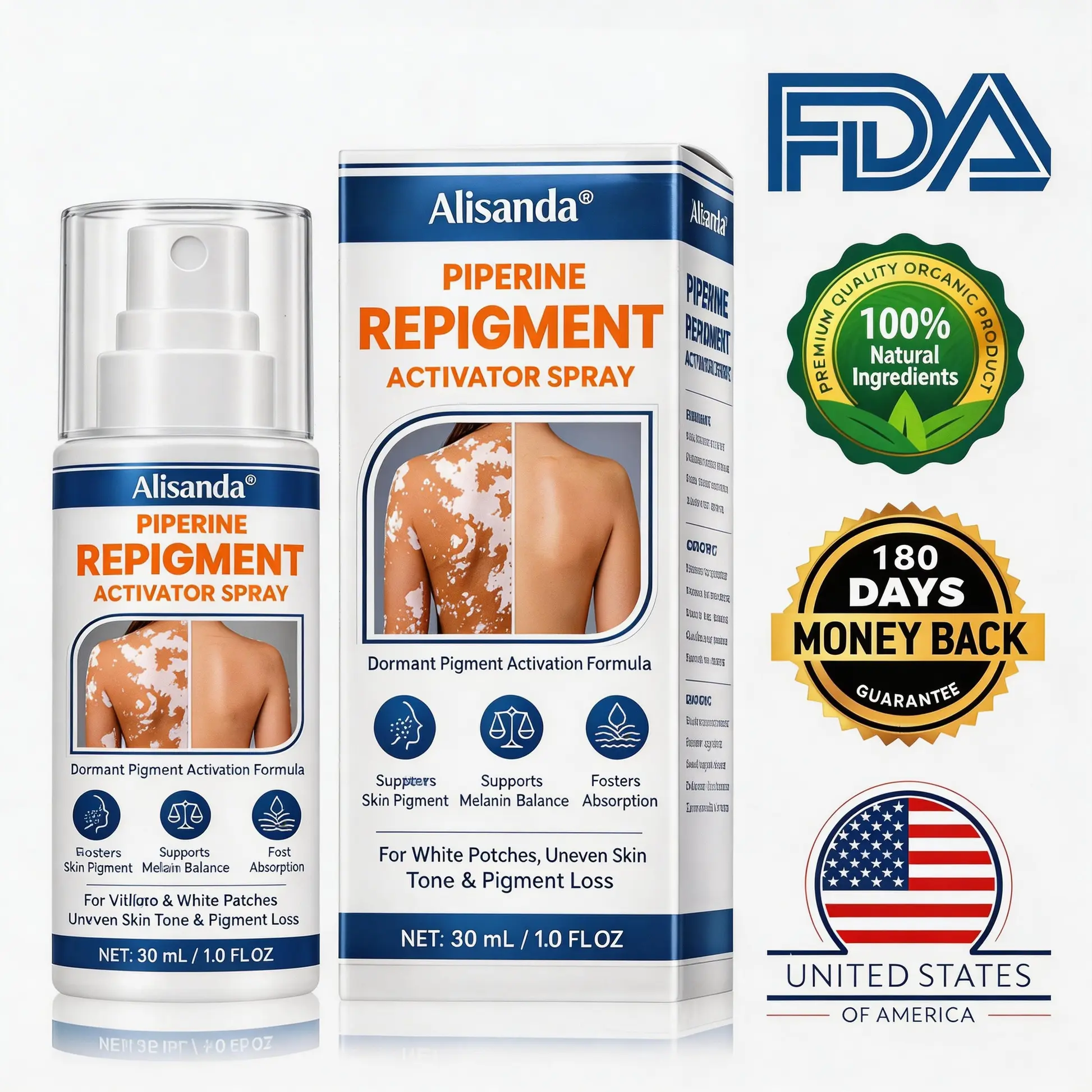
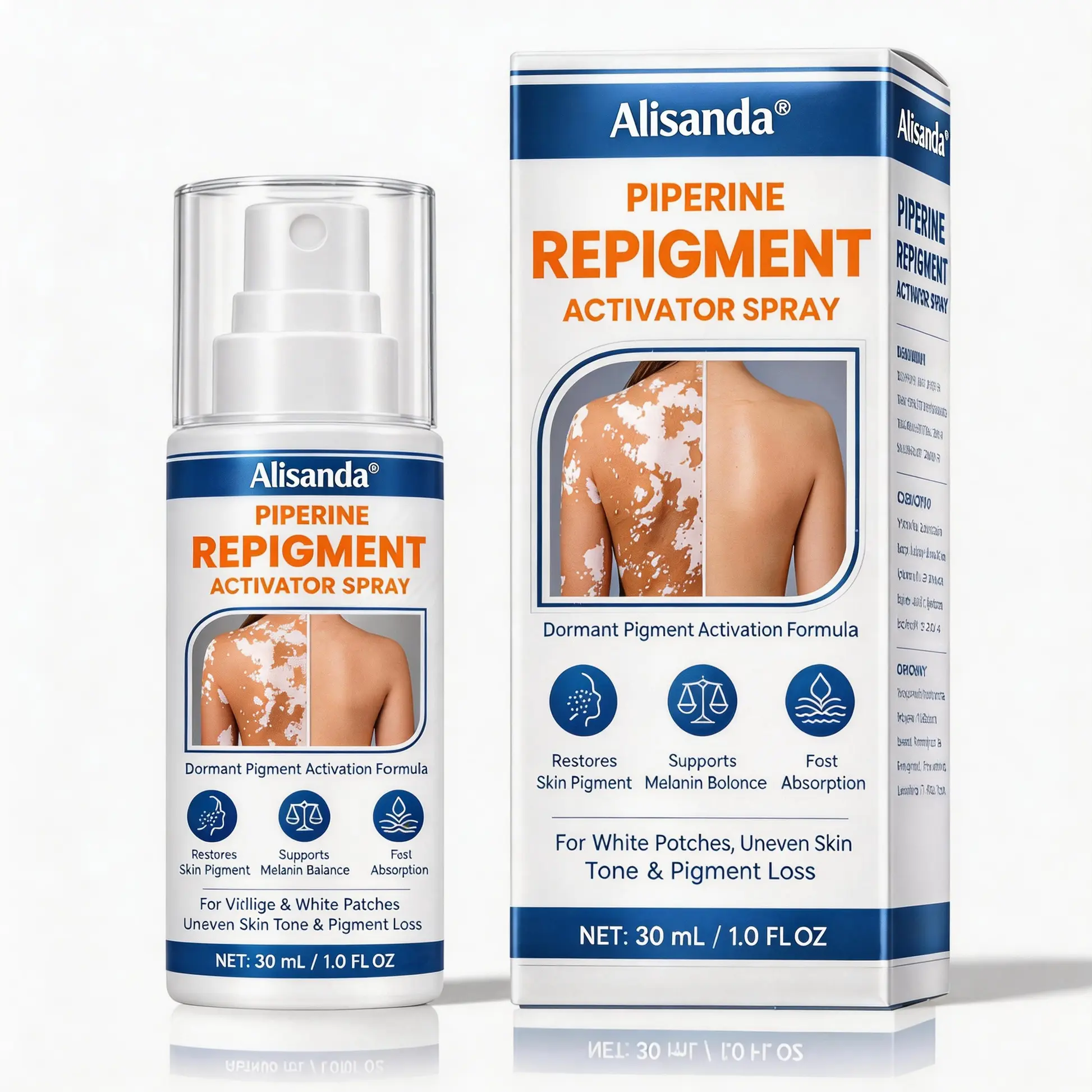
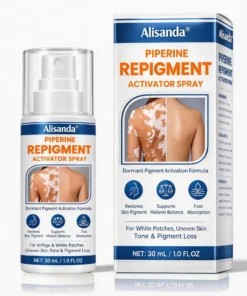
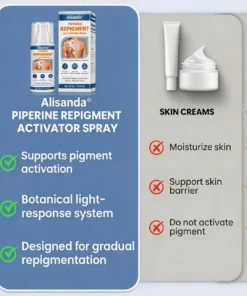
This is the principle behind Alisanda® Piperine Repigment Activator Spray.

How Alisanda® Piperine Spray Helps Reactivate Pigment
Alisanda® Piperine Repigment Activator Spray was designed around one simple idea:
Many pigment cells in vitiligo skin are not gone — they’re just inactive.
Instead of covering the skin or suppressing it with harsh treatments, this formula focuses on helping those dormant pigment cells become active again.
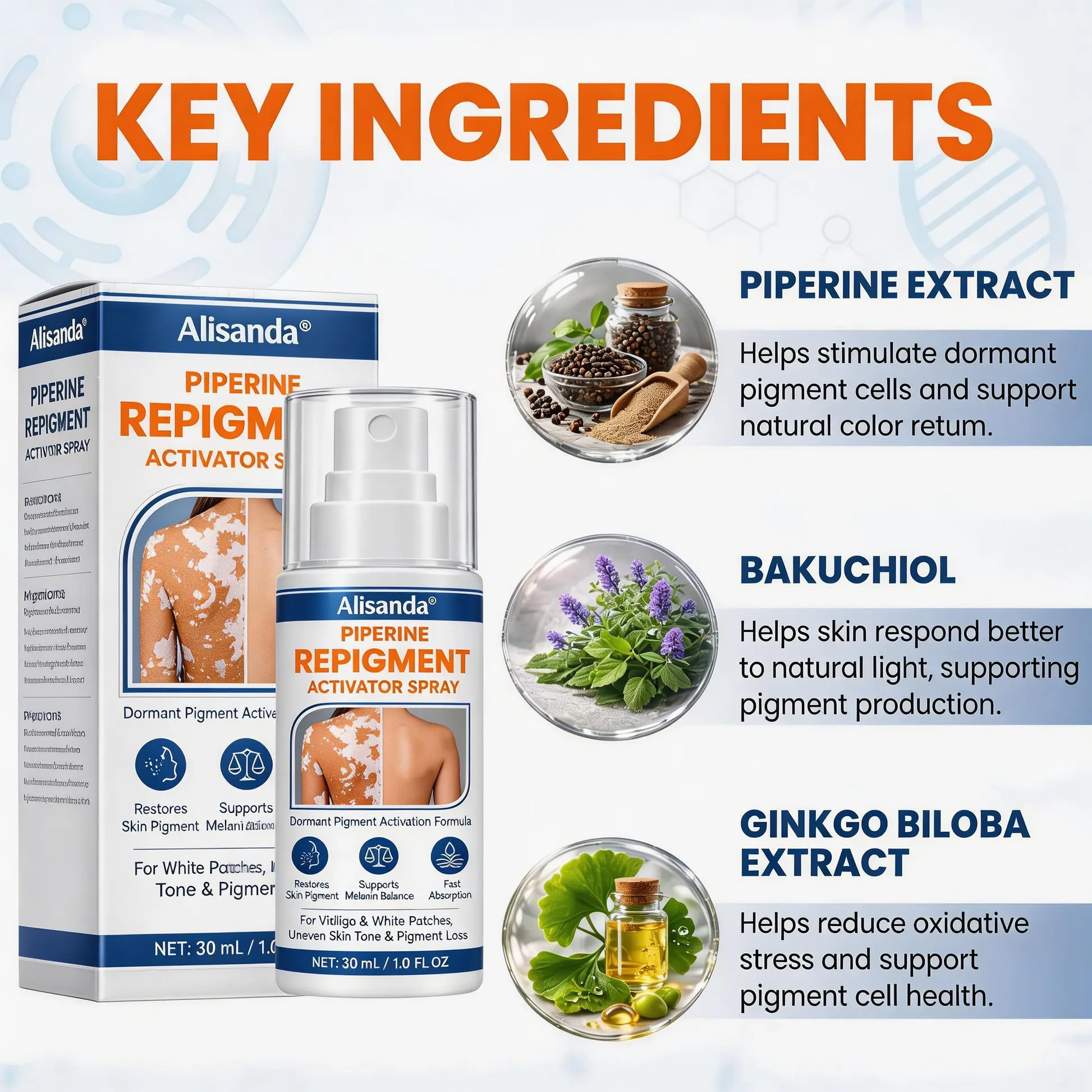
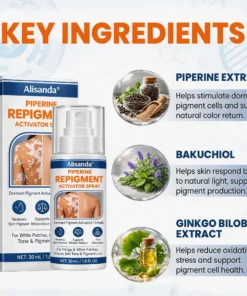
The formula combines three key ingredients that work together to support the skin’s natural pigment cycle.
Piperine Extract: Acts as the “activation signal,” stimulating pigment cell activity and helping dormant melanocytes restart.
Bakuchiol: Supports the skin’s response to light, aiding the natural process that promotes pigment production.
Ginkgo Biloba Extract: Provides antioxidant protection, helping reduce oxidative stress and support a healthier environment for pigment cells.
Together, these ingredients work as a three-part pigment support system:
- activate dormant pigment cells
- support the skin’s response to light
- protect the cells that produce color
Instead of simply covering white patches, Alisanda® is designed to help the skin restart its natural pigment process.

What Your Skin May Experience Over Time
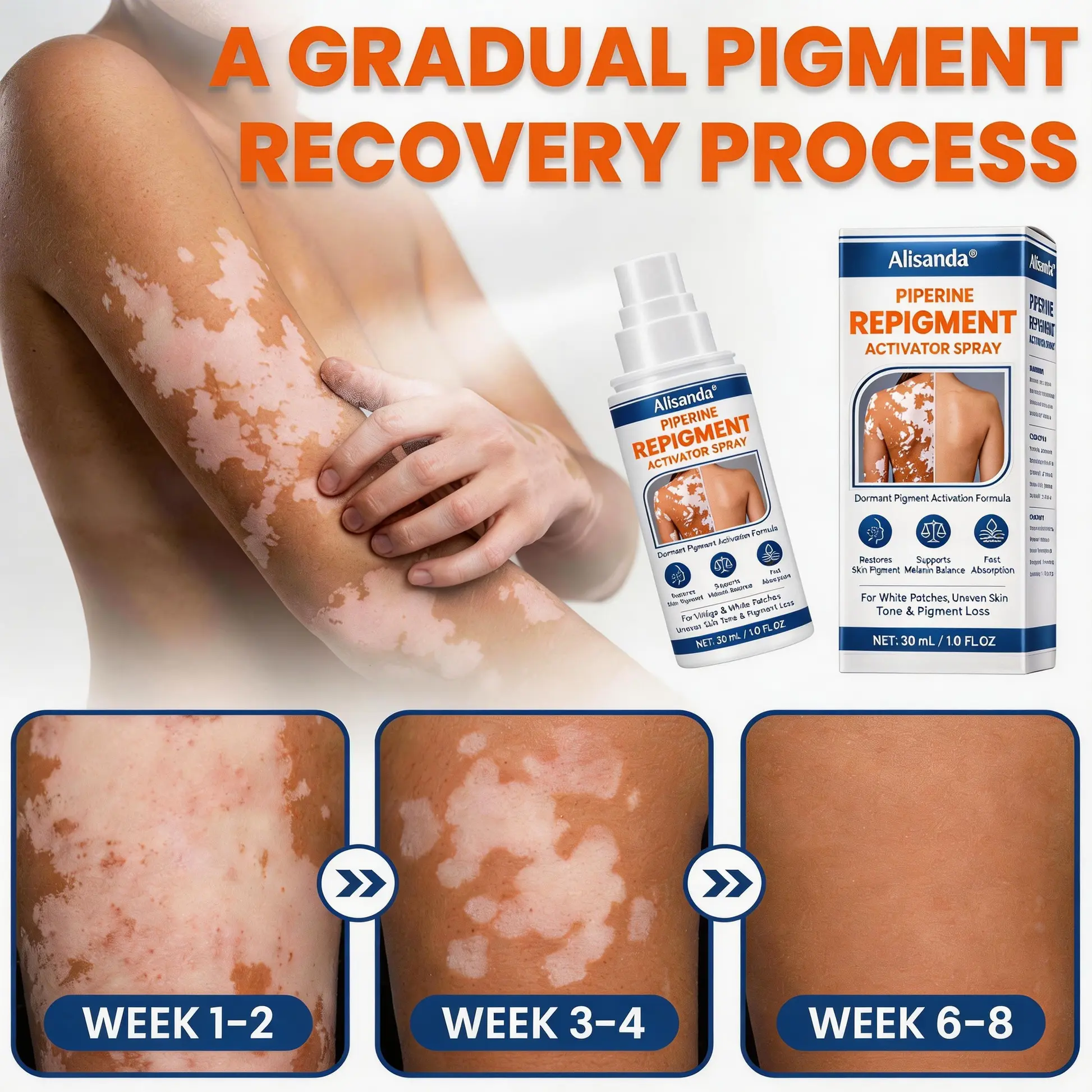
Supporting pigment recovery is gradual. Many users report:
- Weeks 1–2 (Adjustment): Skin adapts to botanicals; usually no visible pigment yet, but the skin environment is being prepared.
- Weeks 3–4 (Early Response): Possible faint freckles or small color dots in lighter patches—signs pigment activity may be restarting.
- Weeks 6–8 (Blending): Pigment may become more noticeable and patch contrast can soften for a more even look.
Consistency matters: Repigmentation takes time, so regular use helps support steady progress.

Why Many Vitiligo Treatments Fail To Restart Pigment
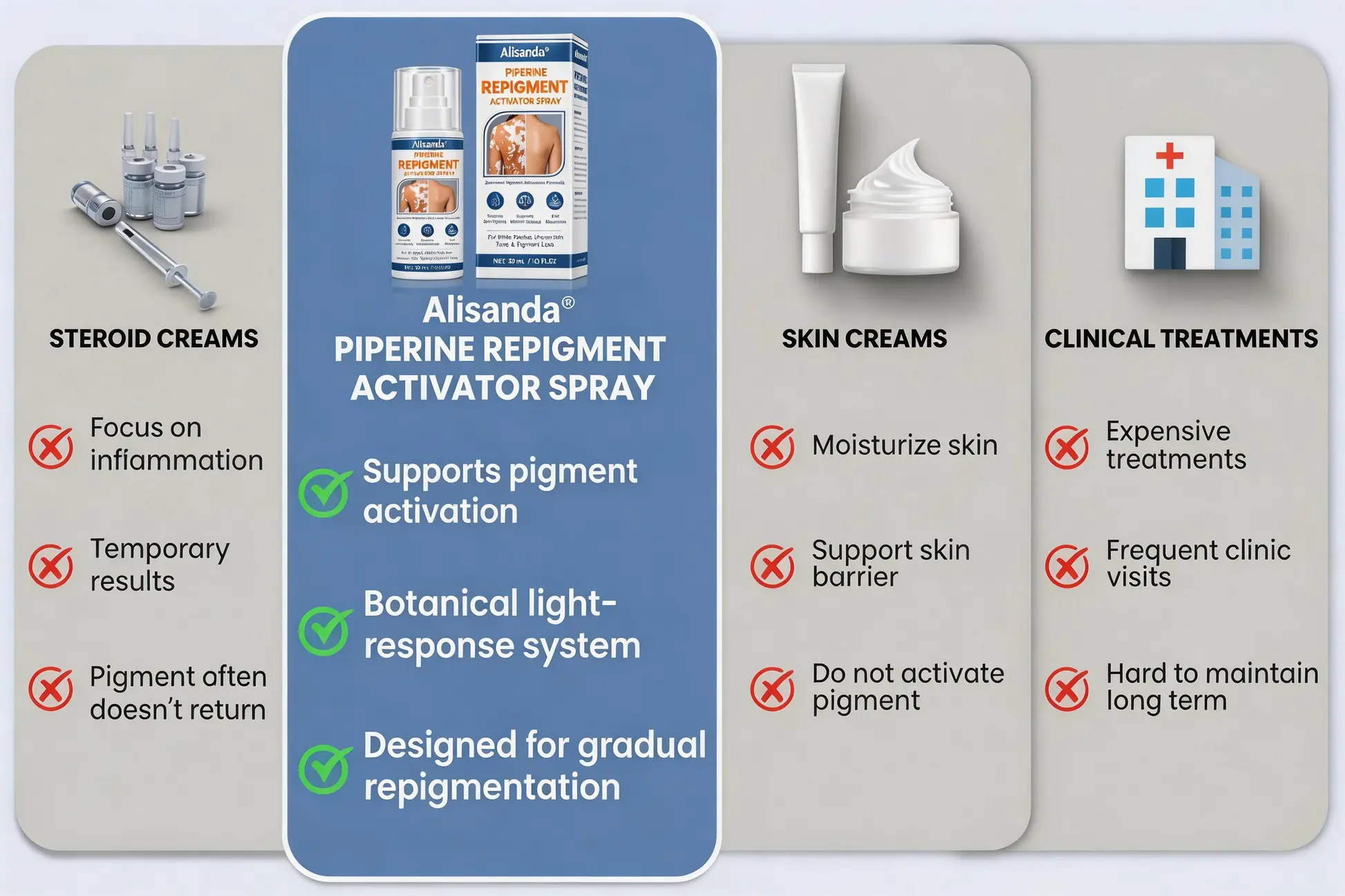
Many vitiligo treatments (steroid creams, herbal balms, prescription meds) mainly manage symptoms or improve the skin’s surface, but often don’t help restart the skin’s natural pigment process—so results may not last or be hard to maintain.
If pigment cells are still present but inactive, the key is supporting the skin to respond again and re-engage the natural pigment cycle. That’s the approach behind Alisanda® Piperine Repigment Activator Spray, which is designed to support pigment activity rather than just mask vitiligo’s appearance.

How to use
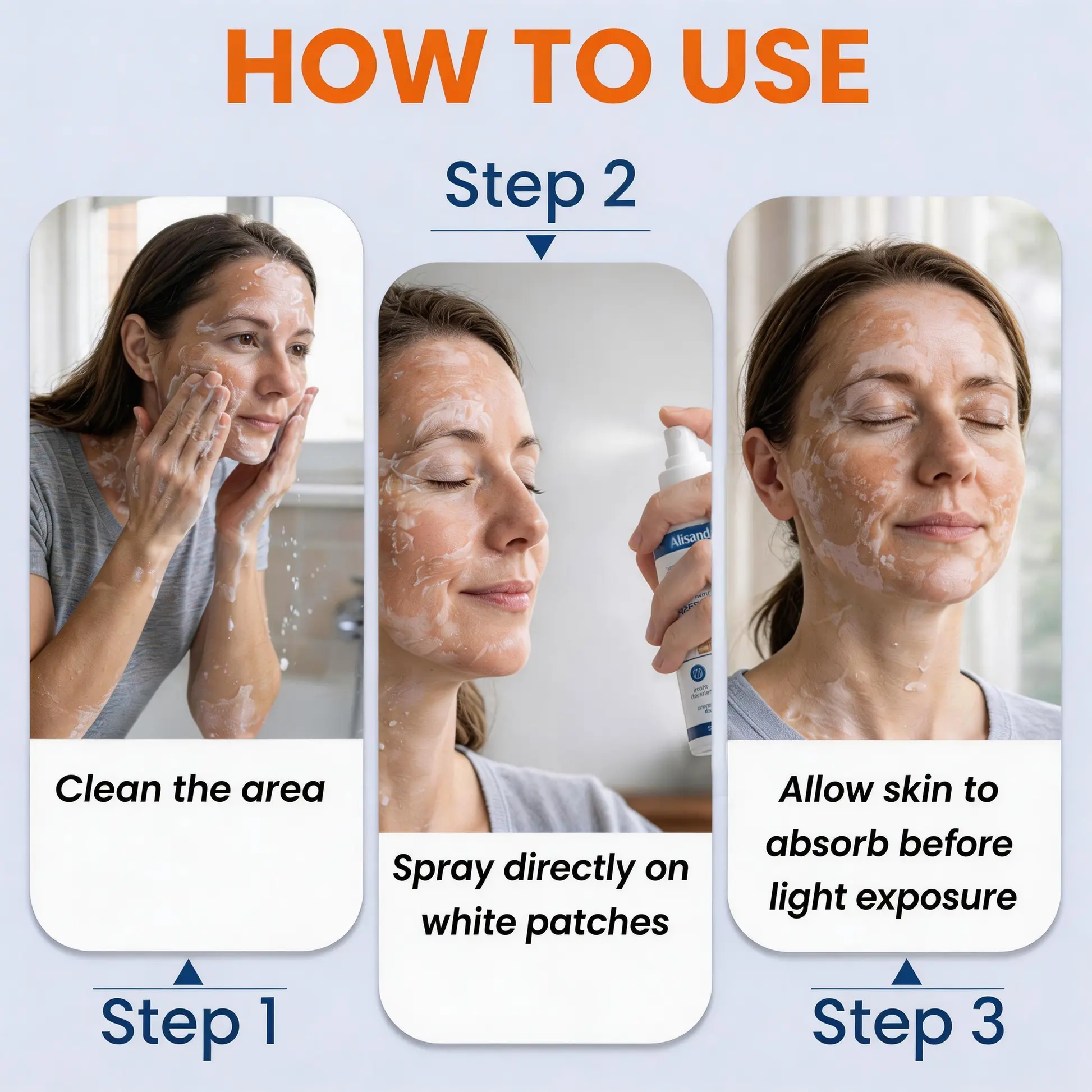
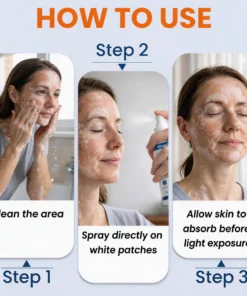
Step 1 Clean The Skin
Wash the affected area with mild soap and water.
Gently pat the skin dry before applying the spray.
Step 2 Apply Directly To White Patches
Spray a small amount directly onto the white patches or uneven skin areas.
Allow the formula to absorb naturally into the skin.
Step 3 Allow Natural Light Response
After applying, allow the skin to receive normal daily light exposure.
This helps support the skin’s natural pigment response.
Frequency: Use 1–2 times daily for best results.
| Quantity | 1 Pc, 2pcs, 4Pcs |
|---|
Be the first to review “Alisanda® Piperine Re Pigment Activator Spray”
You must be logged in to post a review.
WELCOME TO Alisanda!
Where Style Meets Affordability. Since 2016, Alisanda Ltd. has been dedicated to offering top-quality products at unbeatable prices. Our carefully curated selection includes exclusive deals you wont find anywhere else. Your satisfaction is our top priority, and we’re excited to help you!
SHIPPING INFORMATION
We strive to process all orders within 3-5 business days. Please note that delivery times may vary during holidays or special product launches. We appreciate your patience and understanding.
REFUND POLICY
We stand by the quality of our products and offer a 30-day return policy for full refunds or exchanges. Customers are responsible for return shipping fees. Your satisfaction is very important to us, and we work hard to make the return process as easy as possible. Shop with confidence, knowing that your purchase is backed by our commitment to quality.
Reviews
There are no reviews yet.